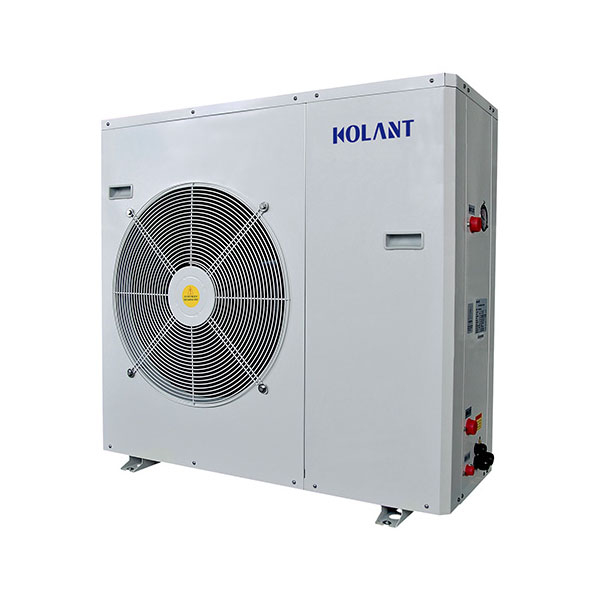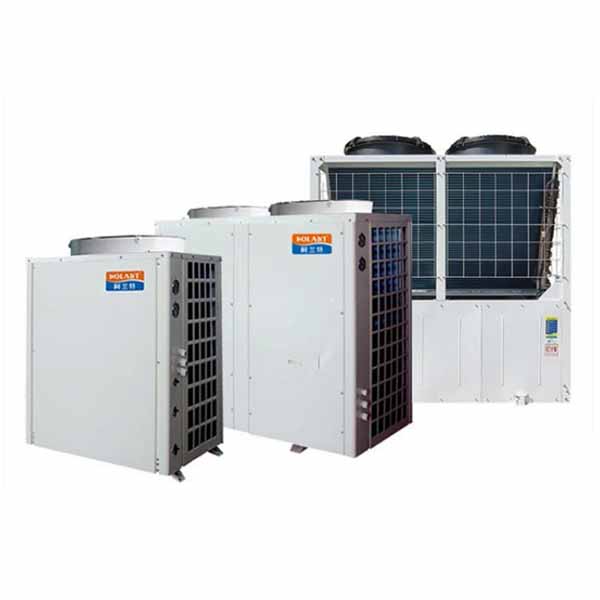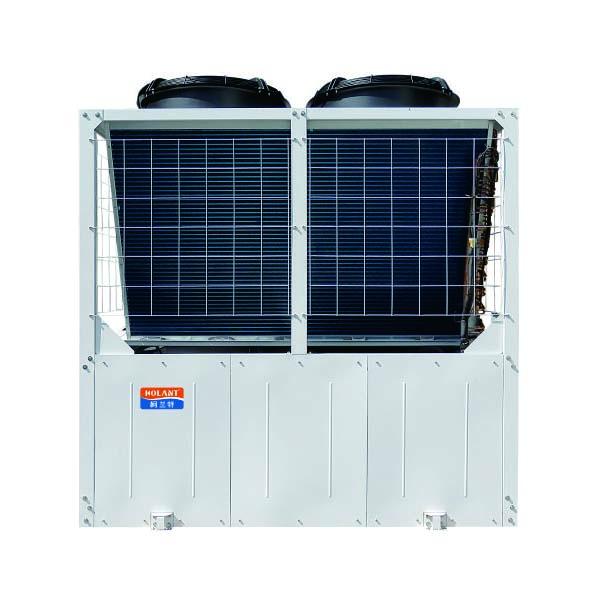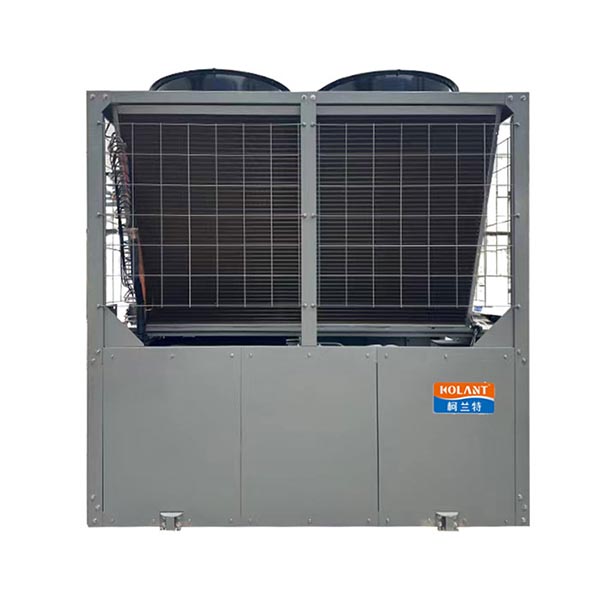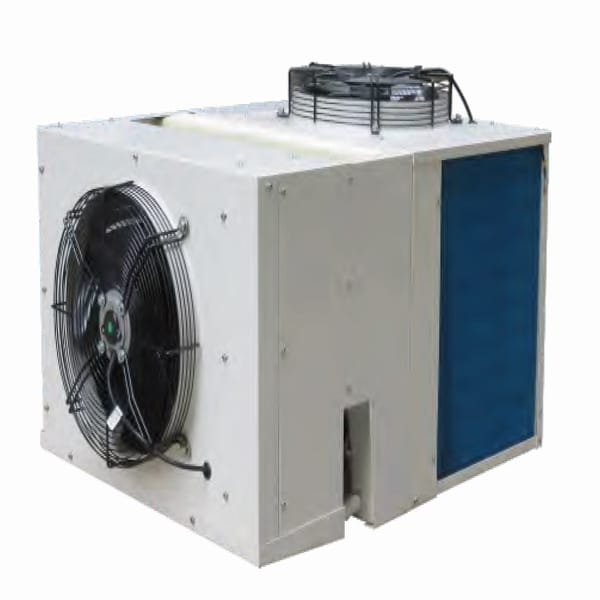


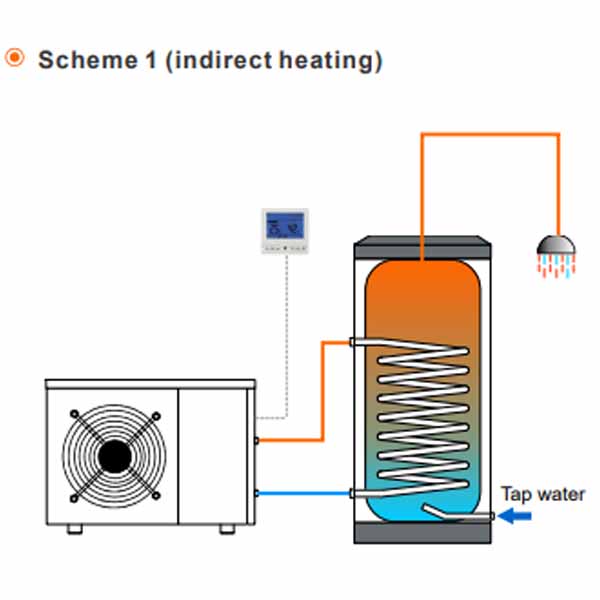
The evaporator absorbs heat energy from the air to warm the refrigerant.
The compressor compresses the refrigerant, causing its temperature to rise sharply.
The high‑temperature refrigerant transfers heat to water through the heat exchanger to heat the water.
After cooling down, the refrigerant goes through throttling and pressure reduction, then returns to the evaporator for continuous circulation.
Only electric power for the compressor is consumed. Electricity is mainly used to transfer heat instead of generating heat directly.
Core Features
✅ Energy‑saving: The COP generally ranges from 3 to 4. Consuming 1 unit of electricity can produce 3‑4 units of heat, saving around 70% electricity cost compared with electric water heaters. ✅ Safe: Water‑electricity separation design. No immersion electric heating element in water to eliminate electric leakage risks. No combustion process, so there is no risk of gas poisoning. ❌ Reduced performance in low‑temperature conditions: Conventional units deliver weaker heating capacity as ambient temperature drops. Models with EVI enthalpy‑increase technology can operate normally at ‑25℃ to ‑35℃.