

 Heat Pump Dryer vs. Conventional Dryers
Key Differences
-
Energy Efficiency
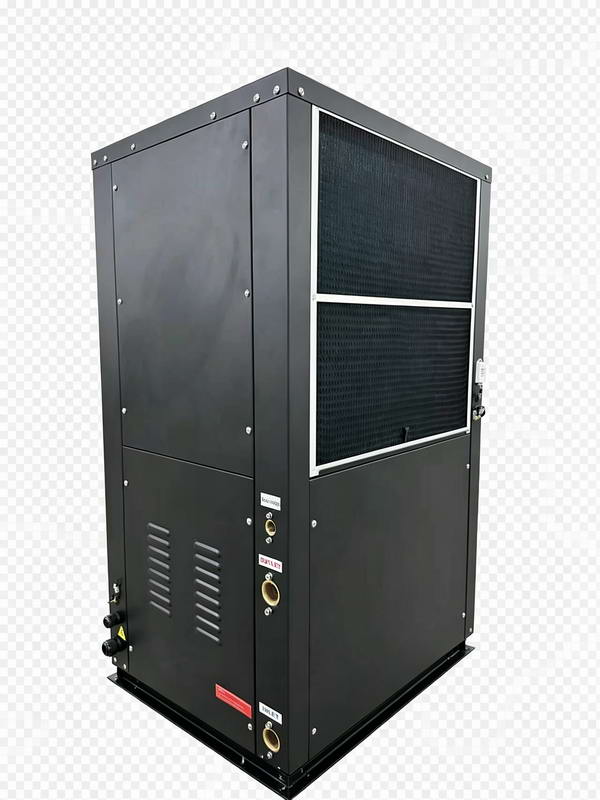
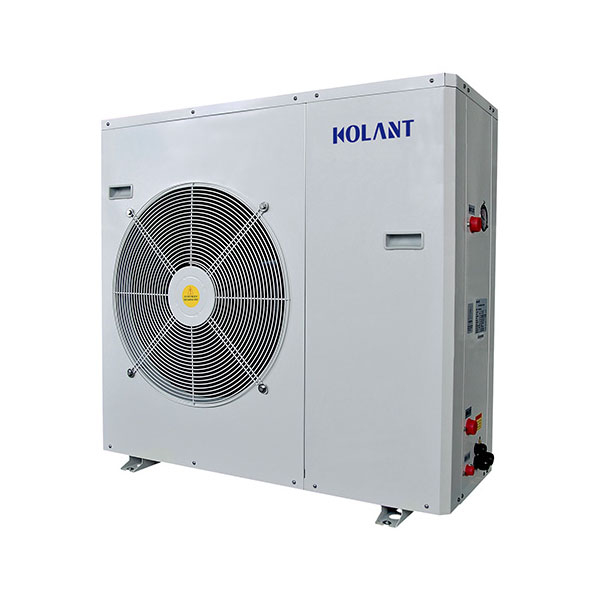
Heat pump dryers use reverse Carnot cycle to transfer heat instead of generating heat directly. They consume only 1/3 to 1/2 the electricity of conventional electric dryers, with much lower running costs.
-
Drying Temperature
Conventional dryers use high-temperature heating, which can easily damage materials.
Heat pump dryers adopt low-temperature & controllable drying, better preserving color, shape, nutrition and quality.
-
Drying Method
Conventional dryers mainly rely on high-temperature air to evaporate moisture.
Heat pump dryers combine heating + dehumidification + closed air circulation, with less air exchange and higher heat utilization.
-
Environmental Impact
Fuel-fired dryers produce exhaust gas and pollution.
Heat pump dryers run on electricity with no emissions, no open flame, safe and environmentally friendly.
-
Applicability
Conventional dryers are suitable for rough, low-value drying.
Heat pump dryers are ideal for high-value agricultural products, food, medicinal materials, seafood, industrial materials and precision drying.
Simple Summary
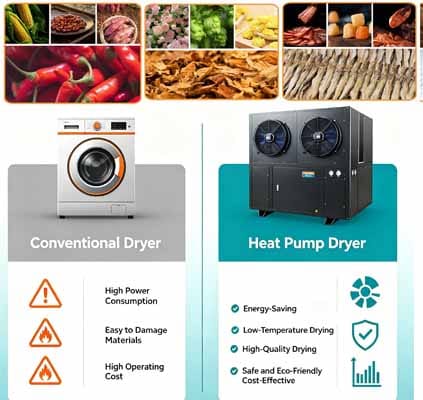
- Conventional dryer: High power consumption, high temperature, easy to damage materials, high operating cost.
- Warmtepompdroger: Energy-saving, low-temperature, high-quality drying, safe and eco-friendly, long-term cost-effective
AI-grafiek
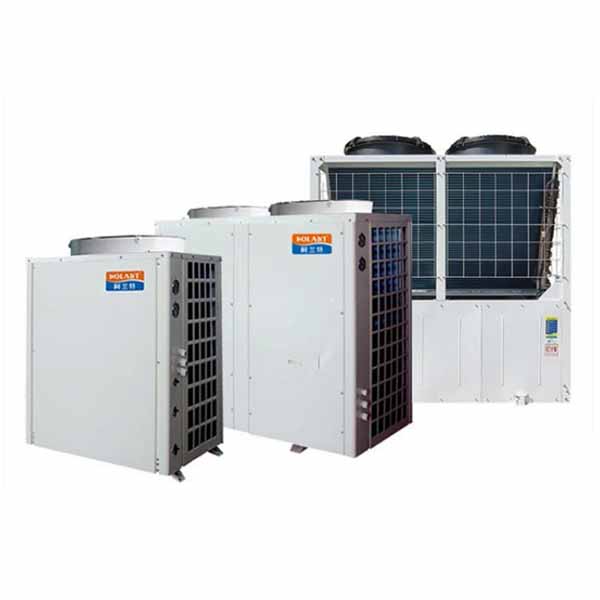
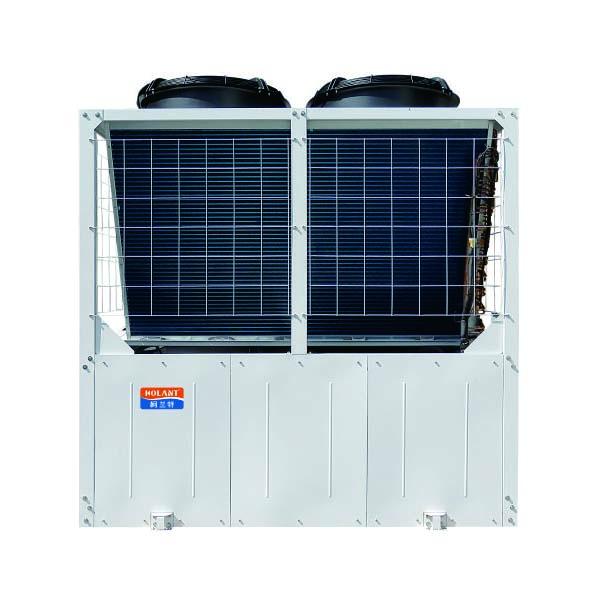
Kolant offers a wide range of dryers suitable for drying food, seafood, medicinal herbs, agricultural products, tobacco leaves and more. More details, press here